 how-to
How Long Does Garage Door Replacement Take
Table of Contents
- How Long Does Garage Door Replacement Take: Quick Answer
- Understanding the Full Garage Door Replacement Timeline
- Garage Door Installation Time by Door Type
- The Garage Door Replacement Process: Step-by-Step
- Garage Door Installation Preparation: What to Do Before the Crew Arrives
- Garage Door Opener Installation Time and Coordination
- Factors That Affect Installation Duration
- Professional Installation vs. DIY: What Takes Longer
- Frequently Asked Questions
Last Updated: October 12, 2026
How Long Does Garage Door Replacement Take: Quick Answer
A typical garage door replacement takes between 4 to 6 hours for the on-site installation itself. However, the full timeline from deciding to replace your door to having a fully functional system installed usually stretches 2 to 4 weeks when you factor in ordering, manufacturing, and scheduling.
The time your specific project takes depends on several factors: whether you're replacing a single-car or double-car door, the condition of your existing opening, and whether you need a new opener installed alongside the door. A standard sectional door on a well-prepared opening moves fastest. Custom doors and complicated structural repairs take longer.
Understanding the Full Garage Door Replacement Timeline
When homeowners ask "how long does garage door replacement take," they're usually thinking about the day the crew shows up. That's only part of the story. The real timeline has three distinct phases: ordering and delivery, preparation and scheduling, and the actual installation day.
On-site installation time vs. ordering and delivery
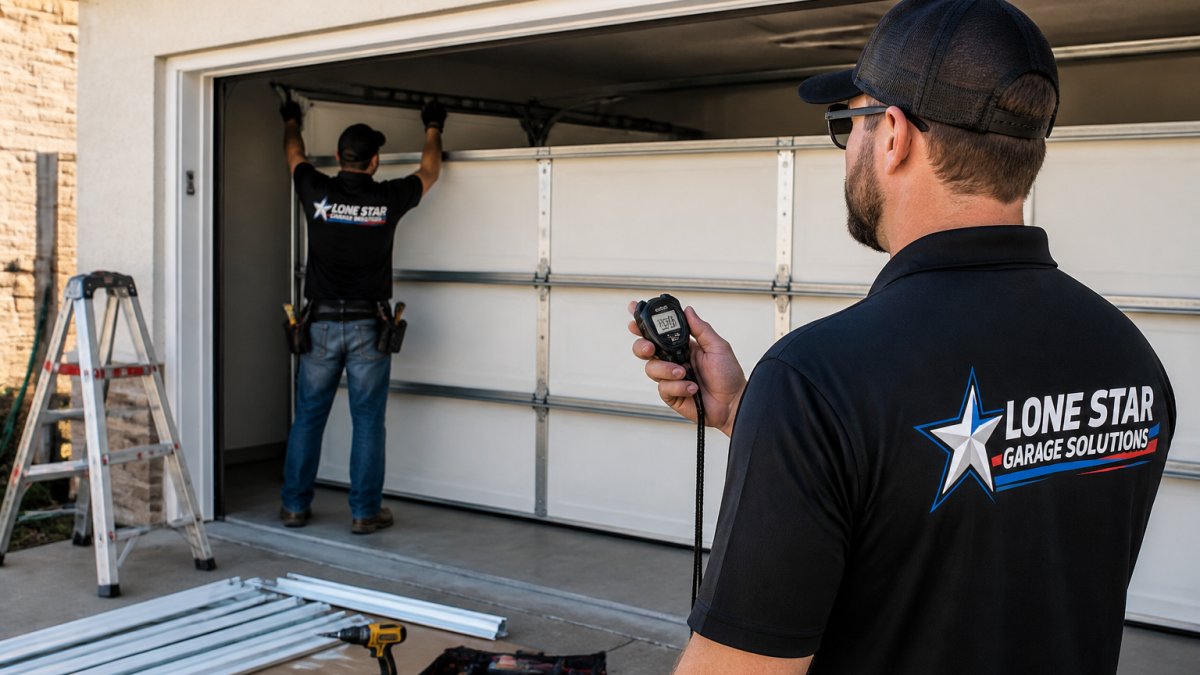
The on-site installation is the shortest part of the process. Most professional crews complete a straightforward garage door replacement in 4 to 6 hours. But that's just the labor day itself.
Before the crew arrives, you're waiting for your door to be manufactured and delivered. A standard sectional door from inventory ships quickly, sometimes within a week. Custom doors, specialty colors, or upgraded materials can take 2 to 3 weeks to manufacture and ship to your home.
Add scheduling delays on top of that. If you order in peak season (spring and early summer), you might wait another week or two for an available installation slot.
Single-door vs. multi-door projects
A single-car garage door replacement is the quickest scenario. One door, one opening, one set of hardware to balance and test. Most single-car replacements finish in 4 to 5 hours once the crew arrives.
A double-car garage door takes longer, usually 5 to 7 hours. The door is heavier, the opening is wider, and there's more hardware to adjust. If you're replacing both a single and a double door at the same property, expect the crew to spend most of a full workday, possibly stretching into 8 hours.
Commercial or triple-car doors add even more time. The weight and complexity increase significantly. A commercial door replacement can take a full day or require two crew members working in parallel.
Garage Door Installation Time by Door Type
Not all garage doors are created equal. The type you choose affects both the manufacturing timeline and the installation day itself.
Standard sectional doors
A standard sectional garage door is the most common choice and the fastest to install. These doors are made of horizontal panels that roll up into the garage ceiling. Most homeowners choose them because they're reliable, affordable, and well-understood by installers.
Installation time for a standard sectional door is typically 4 to 6 hours.
Ordering a standard sectional door is also quick. Most are available from inventory and ship within 5 to 10 business days. If you choose a common color and style, you might have your door in hand within a week.
Custom and specialty doors
Custom garage doors, whether they're wood, aluminum, glass, or a hybrid design, take longer to install and much longer to manufacture.
Manufacturing a custom door typically takes 3 to 4 weeks or longer, depending on the builder's backlog and the complexity of your design. Specialty materials, custom colors, and unique hardware all add time.
Installation of a custom door also takes longer than a standard door. The crew needs to ensure precise alignment and balance for a heavier or more complex system.
If you're having a custom door built, plan on 4 to 6 weeks total from order to completion, assuming no delays in manufacturing or scheduling.
The Garage Door Replacement Process: Step-by-Step
Understanding the actual installation process helps you know what to expect when the crew arrives at your home.
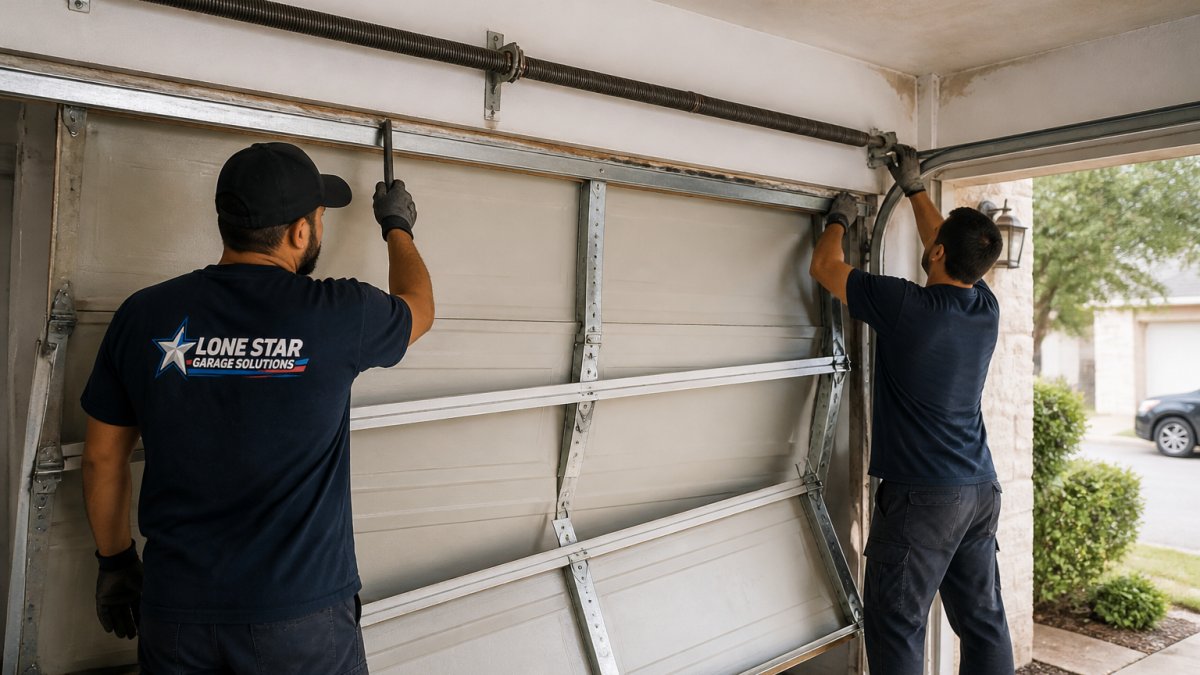
Removal and disposal of the old door
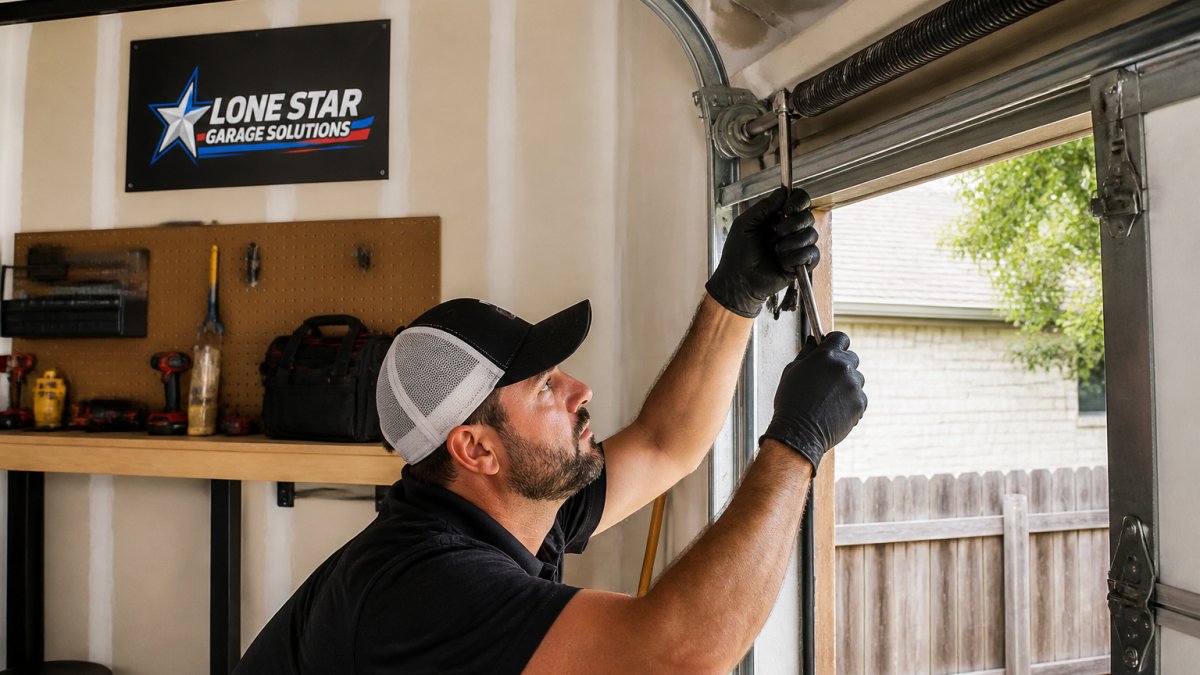
The first step is removing your old door. The crew disconnects the opener from the door, carefully removes the springs and cables under tension, and disconnects the tracks. The old door panels are then lifted out and disposed of or recycled.
Removal usually takes 45 minutes to 1.5 hours, depending on the condition of your old door. If the door is stuck, rusted, or damaged, removal takes longer. Springs that have failed or cables that are frayed can complicate the process because the crew must work more carefully to avoid injury.
The crew handles all disposal. Your old door won't sit in your driveway, they haul it away as part of the service.
Site preparation and measurement
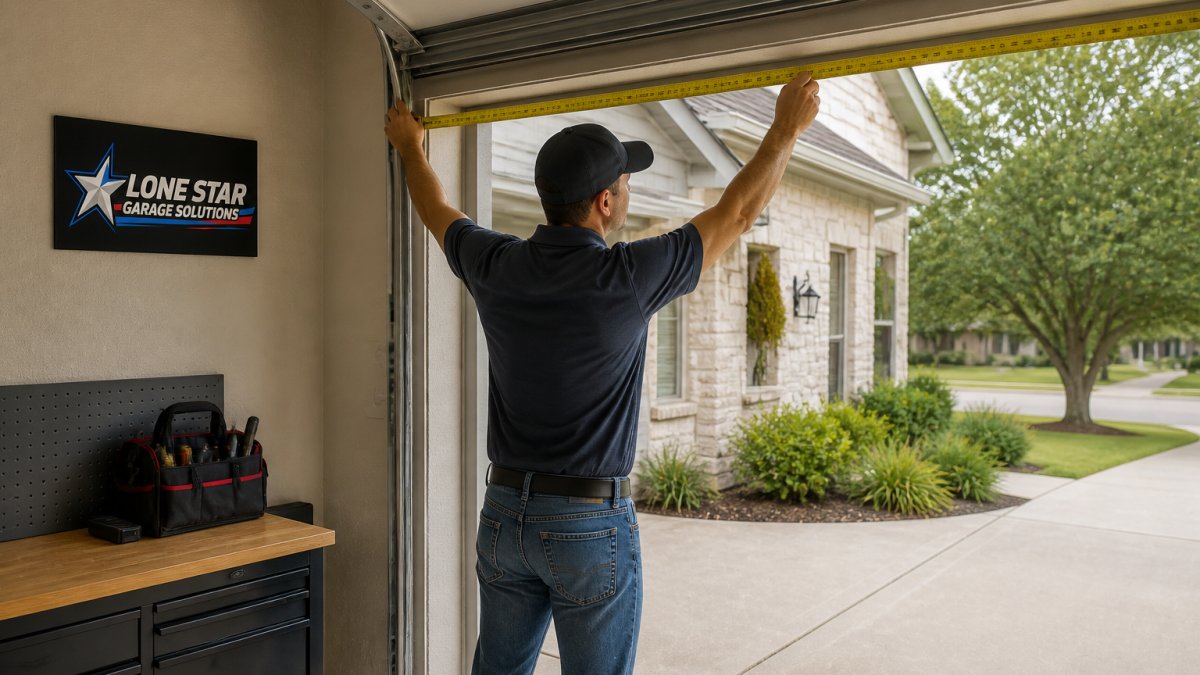
Once the old door is out, the crew inspects the opening. They check whether the frame is square, whether the opening is the right size for your new door, and whether any structural repairs are needed.
If the opening is in good condition, preparation is quick, maybe 30 minutes. The crew cleans the opening, removes old hardware, and verifies measurements one final time.
If the opening needs repair, a bent header, damaged side jambs, or rot, the timeline extends. Minor repairs might add 1 to 2 hours. Major structural issues might require a separate visit or a contractor referral, which adds days or weeks to your project.
Installation, balancing, and testing
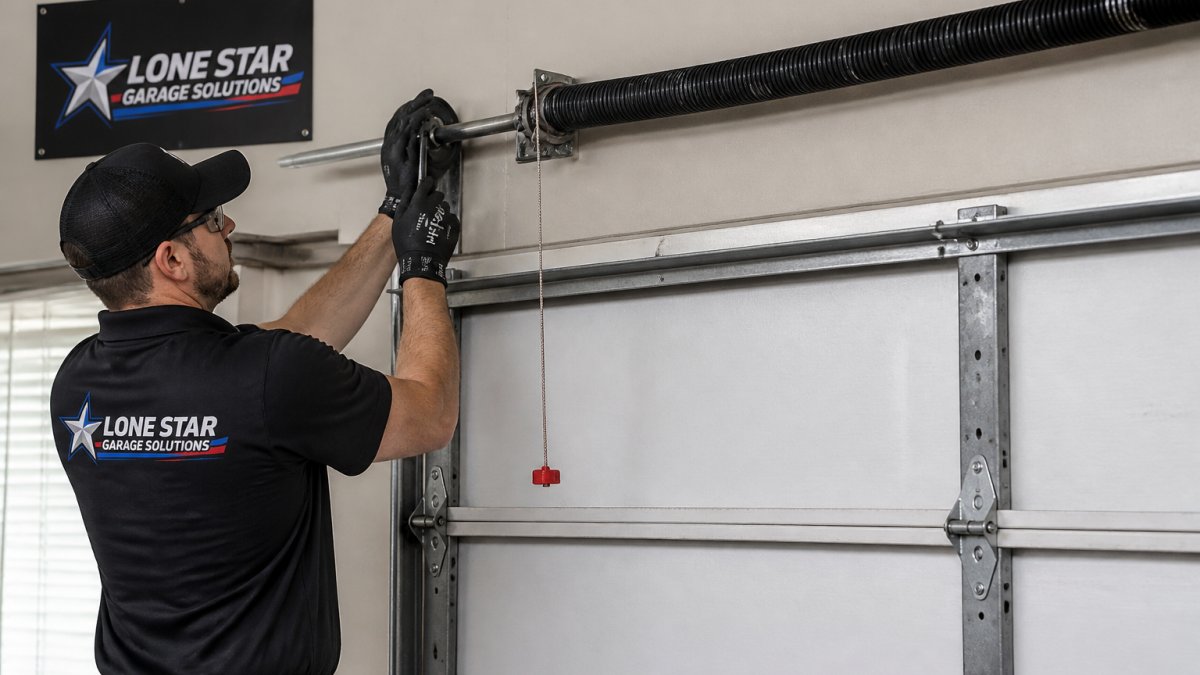
Installing the new door and opener is the core of the job. The crew installs the new tracks, hangs the door panels, installs springs and cables, mounts the opener, and programs the remote controls.
This phase typically takes 2 to 3 hours for a standard door. The crew then balances the door so it opens and closes smoothly without binding. They test the safety sensors, the auto-reverse feature, and the manual release. All of this is critical, a poorly balanced or untested door is a safety hazard.
Once everything works correctly, the crew cleans up and walks you through the operation of your new system.
Garage Door Installation Preparation: What to Do Before the Crew Arrives
You can speed up your installation and avoid delays by preparing your space ahead of time.
Clear the garage completely. Remove cars, tools, boxes, and anything else that could get in the way or get damaged.
Make sure someone is home. The crew will need to test the door with you present, explain how to use the new opener, and answer questions.
If your garage is extremely cold or hot on the day of installation, mention it when you schedule. Extreme temperatures can affect how springs and hardware behave during installation and testing.
Let the crew know about any obstacles they should expect, a low ceiling, a side garage door, vehicles parked nearby, or pets that need to be contained.
Garage Door Opener Installation Time and Coordination
If you're replacing just the door, you might keep your existing opener. If it's old or failing, a new opener is a smart upgrade.
Installing a new opener takes 1 to 2 additional hours beyond the door installation. The crew removes the old opener from the ceiling, installs the new one, attaches it to the door, and programs the remote controls.
If you're replacing both the door and the opener on the same day, the total time is usually 5 to 7 hours instead of 4 to 6.
Coordinating door and opener replacement makes sense. You get one service call, one day of disruption, and a completely new system that works together seamlessly.
Factors That Affect Installation Duration
Several real-world conditions can extend your installation timeline beyond the standard 4 to 6 hours.
Existing opening condition and structural issues
The condition of your existing garage opening is the biggest variable. A square, level opening with solid framing moves fast. An opening with bent jambs, a sagging header, or rotted wood slows everything down.
If the crew discovers structural damage during removal, they might need to:
- Reinforce the header
- Replace rotted wood in the frame
- Shim the opening to make it square
- Repair or replace damaged concrete
Any of these repairs adds 2 to 4 hours (or more for major issues). Sometimes a structural problem is so significant that the crew needs to stop and refer you to a framing contractor, which delays your project by days or weeks.
Access and site complexity
How easy is it for the crew to reach your garage? If your driveway is long, narrow, or blocked, the crew might struggle to position their truck and equipment. A difficult site can add 30 minutes to an hour just for setup and logistics.
Similarly, if your garage is attached to your home but tucked into an awkward corner, or if there are trees, power lines, or other obstacles nearby, the crew needs extra time to work safely.
Weather and seasonal delays
Weather affects both manufacturing timelines and installation scheduling. Winter cold can slow down manufacturing in some facilities. Spring and summer bring peak demand, so scheduling waits are longer.
On installation day, extreme heat or cold can slow the crew slightly. Cold weather affects how springs behave, and heat can make the workspace uncomfortable. Rain doesn't stop installation, but it adds complexity and time.
Seasonal delays are real. If you need a replacement door in May, you might wait 3 to 4 weeks for manufacturing and scheduling. The same door ordered in November might arrive in 2 weeks.
Professional Installation vs. DIY: What Takes Longer
Some homeowners consider DIY garage door replacement to save money. It's worth understanding what that actually involves.
Professional installation takes 4 to 6 hours because the crew has done it hundreds of times.
DIY installation typically takes 8 to 12 hours or more, spread across multiple days.
Beyond time, DIY carries real risks. An improperly balanced door will bind and wear out quickly. An unsafe installation can fail unexpectedly.
For most homeowners, professional installation is faster, safer, and ultimately more cost-effective. The crew gets it right the first time, and you get a warranty on the work.
Knowing how long garage door replacement takes helps you plan your project and set realistic expectations.
Frequently Asked Questions
What is the typical on-site garage door installation time?
Most standard single-door replacements take 4-6 hours on-site for a professional crew. This includes removal of the old door, installation of the new one, adjustment of tracks and springs, balancing, and testing. Double-door projects or custom installations may extend beyond this range. The actual time depends on door type, existing opening condition, and whether additional components like a new opener are being installed.
How long does the entire garage door replacement process take from start to finish?
The complete garage door replacement process spans several stages. Factory lead time for custom orders ranges from 2-6 weeks, delivery adds 3-7 days, and on-site installation takes 4-6 hours. For standard stock doors, the timeline compresses significantly. Total time from quote to a working new door typically ranges from 2-8 weeks, depending on whether you choose a stock option or custom design.
How should I prepare my garage for a new door installation?
Clear the garage of vehicles, tools, and stored items to give the crew unobstructed access. Remove any decorations, shelving, or wall-mounted items near the door opening. Ensure the driveway in front of the garage is clear for the installation truck. If you have a garage door opener, inform the installer so they can plan accordingly. Close any interior doors leading to the house to contain dust and debris from the old door removal.
How long does a new garage door opener installation take?
Installing a new garage door opener typically adds 1-2 hours to the total replacement time. This includes mounting the motor unit, installing the rail and chain or belt drive, connecting safety sensors, and programming the remote controls and wall buttons. If the opener is installed during the main door replacement, the crew can coordinate the work efficiently. Opener-only replacements usually complete in 2-3 hours.