 how-to
Why Your Garage Door Is Making Grinding Noise: Causes & Fixes
Table of Contents
- Why Your Garage Door Is Making a Grinding Noise
- Common Causes of Garage Door Grinding Noise
- Garage Door Opener Grinding Noise vs. Door Noise
- Worn Garage Door Rollers Symptoms and What They Mean
- Garage Door Grinding but Not Opening: Diagnosis and Next Steps
- When to Call a Garage Door Repair Technician
- How to Prevent Grinding Noise and Maintain Your Garage Door
- Frequently Asked Questions
Last Updated: October 14, 2026
Why Your Garage Door Is Making a Grinding Noise
A grinding noise from your garage door is never something to ignore. This sound typically signals that something inside your door's mechanical system needs attention.
The good news: most grinding sounds come from fixable issues.
Below, we cover the most common causes of garage door grinding noise, how to tell opener noise from door noise, and when to call a technician.
Common Causes of Garage Door Grinding Noise
Garage door grinding noise usually comes from one of a few mechanical sources. Understanding which part is failing helps you decide your next step.
Worn or Damaged Rollers and Hinges
Your garage door relies on rollers to glide along the track.
Hinges wear too: metal-to-metal friction grinds as the door cycles, and dust and debris in the tracks make it worse.
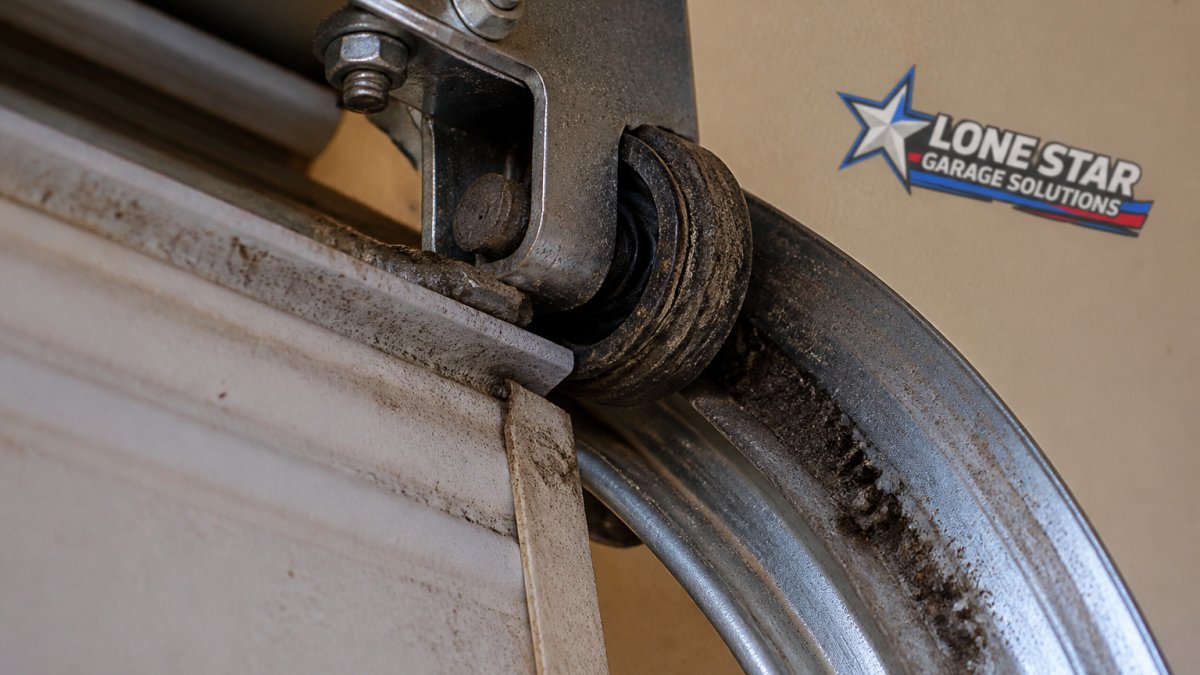
Signs of roller or hinge wear:
- Grinding or scraping noise during door movement
- Door moves slower than usual
- Visible damage or flat spots on roller wheels
Stripped or Worn Motor Gears
The opener's motor contains gears that drive the door up and down. Over time they wear, and when teeth strip or break, the motor still turns but the gears slip and grind against each other.
This grinding is louder and more mechanical than roller noise, and comes directly from the ceiling-mounted opener unit.
What worn gears sound like:
- Loud grinding or buzzing from the opener unit
- Door may move slowly or struggle to open
- Grinding noise even when door doesn't move
Chain, Belt, or Drive Sprocket Problems
Many openers use a chain or belt to pull the door. If the chain stretches or the belt wears, tension changes and components slip. A worn sprocket, the gear wheel that drives the chain, grinds as its teeth wear down.
Chain drives are noisier overall, but excessive grinding means wear is progressing. Belt drives should be nearly silent, so any grinding there signals a problem.
Drive system issues to watch for:
- Grinding noise during door operation
- Chain or belt slipping on the sprocket
- Visible wear on the chain or belt
Rollers Binding or Dragging in the Tracks
Even undamaged rollers can bind if the track becomes bent, misaligned, or clogged with debris. When a roller binds, friction increases and grinding develops.
Tracks bend from impact, rust, or age, and debris like dirt, leaves, or spider webs causes binding. The door may then move unevenly, with one side binding more than the other.
Binding and dragging symptoms:
- Grinding noise in one location during door travel
- Door jerks or hesitates at specific points
- Visible dirt or debris in the track
Garage Door Opener Grinding Noise vs. Door Noise
Before you lubricate anything or call anyone, isolate where the grinding comes from. The opener and the door are separate mechanical systems, and the fix for one rarely helps the other. A five-minute listening sequence narrows the problem fast.
A Safe Step-by-Step Diagnostic Flow
Work through these steps in order. Stop at any point where the door behaves unpredictably or you see a broken component.
- Stand back and watch a full cycle. From at least six feet away, run the door closed to open and back, watching the panels, track, and opener rail. Note whether it moves smoothly, jerks, or stalls.
- Listen with the door disconnected from the opener. With the door fully closed and no one underneath, pull the emergency release cord (the red handle on the rail) and lift the door by hand about halfway. Grinding now means the noise is in the door hardware, rollers, hinges, or track. A quiet lift means the opener is the source.
- Reconnect and listen at the opener. Stand directly under the opener unit and run a cycle. Grinding here points to the motor gears, drive sprocket, chain, or belt.
- Listen at the track on each side. Walk to one side of the door, then the other, during a cycle. Grinding louder on one side usually means a binding roller or bent track section there.
- Note when the sound happens. Grinding only at the start of travel often points to a gear or sprocket issue; at one spot mid-travel, a track or roller problem; throughout the cycle, general friction or a failing drive component.
Stop and call a professional if: the door falls or drops when you pull the release, you hear a loud bang followed by a slack cable, you see a gap in the torsion spring above the door, or the door comes off the track.
Cause-by-Sound Comparison
Use this table to match what you hear with the most likely source. "Door moves" means the door still travels when the opener runs.
| What you hear | Where it comes from | Door moves? | Likely cause |
|---|---|---|---|
| Loud mechanical grinding | Opener unit on ceiling | Yes, slowly | Worn or stripped motor gears |
| Rhythmic grinding or clunking | Opener rail | Yes, unevenly | Worn drive sprocket or stretched chain |
| Soft scraping | Track, one side | Yes | Binding or flat-spotted roller |
| Grinding plus buzzing, no movement | Opener unit | No | Stripped gears or failed drive |
| Grinding then door reverses | Whole system | Briefly | Binding roller, track obstruction, or opener force limit reached |
| Scraping plus a snap or bang | Above the door | No | Broken torsion spring or cable, stop and call a professional |
What Each Result Tells You
If the door grinds and doesn't move at all, treat it as a drive failure or broken counterbalance component. Stop cycling the opener, repeated attempts can strip the gears further or burn out the motor.
Worn Garage Door Rollers Symptoms and What They Mean
Worn rollers are one of the most common causes of grinding noise. Recognizing roller wear early can prevent more serious damage.
Rollers are made of steel or nylon and roll along the track to guide your door.
Worn roller warning signs:
- Grinding or scraping noise during door movement
- Door moves slower than normal
- Visible flat spots or damage on the roller wheels
Worn rollers don't fix themselves. The grinding worsens, eventually causing the door to stick or fail to open smoothly. Replacing them stops the noise and restores smooth operation.
Garage Door Grinding but Not Opening: Diagnosis and Next Steps
If your garage door grinds but doesn't open, the problem is more urgent.
Common reasons for grinding without movement:
Severely worn sprocket: The chain or belt can't engage the sprocket teeth, so power never reaches the door.
Jammed or heavily bound rollers: The door is stuck in the track and the opener can't overcome the resistance.
When your garage door grinds but won't open, stop forcing it, continued attempts can damage the opener further.
When to Call a Garage Door Repair Technician
Once you know roughly where the grinding comes from, the next question is whether it's a maintenance item you can handle or a repair that needs a technician. The answer depends on the component and how far the wear has progressed.
Repair vs. Replace: A Practical Guide
| Component | Lubrication or adjustment may be enough | Repair or replacement is likely needed |
|---|---|---|
| Rollers | Rollers turn freely but are dry or dusty | Flat spots, cracks, or missing ball bearings |
| Hinges | Hinges move but squeak or grind | Bent, cracked, or seized hinge plates |
| Track | Debris or light rust in the channel | Bent, dented, or misaligned sections |
| Chain or belt | Slightly loose but intact | Stretched chain, frayed belt, or slipping sprocket |
| Opener gears | Not applicable, lubrication does not fix gears | Any grinding from inside the opener housing |
| Torsion spring or cable | Not applicable, do not touch these | Any visible gap, slack, or snap |
A simple rule: if the part still moves as designed and only needs cleaning or lubrication, it's a maintenance task. If it's deformed, cracked, stripped, or seized, it needs replacing. Grinding that returns within a few days of lubricating almost always means a worn part, not a dry one.
Call a Technician Right Away If:
- The door will not open or close at all
- You hear grinding and the door moves very slowly, jerks, or reverses
- The grinding is loud and getting worse with each cycle
You Can Usually Wait a Day or Two If:
- The grinding is mild and the door still opens and closes smoothly
- The noise is new but the door travels evenly and at normal speed
- You have not yet tried cleaning and lubricating the track, rollers, and hinges
What to Have Ready When You Call
A technician can diagnose faster, and quote more accurately, if you describe the problem clearly. Before you call, note:
- Where the sound comes from: opener unit, one side of the track, or the door panels
- When it happens: at the start of travel, at one spot, or throughout the cycle
- Whether the door moves: and if so, how smoothly and how fast
That information lets a technician bring the right parts and tell you whether you're looking at a minor adjustment or a component replacement.
At Lone Star Garage Solutions, we serve homeowners, builders, realtors, and property managers throughout New Braunfels and the surrounding Central Texas communities. We can inspect your door, pinpoint the source of the grinding, and recommend a path forward.
How to Prevent Grinding Noise and Maintain Your Garage Door
Regular maintenance prevents most grinding noise issues. A few simple habits keep your door running smoothly.
Keep the track clean. Remove dirt, leaves, and debris regularly.
Listen for changes. Your door should operate quietly.
Check for visible damage. Look at your rollers, hinges, and track occasionally.
Replace parts before they fail. Rollers typically last 10,000 to 15,000 cycles (roughly 10 to 15 years for most homes).
| Maintenance Task | Frequency | What to Check |
|---|---|---|
| Lubricate rollers, hinges, track | Twice yearly | Smooth operation, no grinding |
| Clean track and remove debris | Monthly | No dirt, leaves, or buildup |
| Listen for new sounds | Ongoing | Grinding, squeaking, or buzzing |
| Inspect rollers and hinges | Quarterly | Rust, flat spots, or damage |
| Test door balance | Yearly | Door lifts evenly, no sagging |
| Check chain or belt tension | Yearly | Proper tension, no slipping |
Frequently Asked Questions
Why is my garage door making a grinding noise when opening?
Grinding noise during opening typically comes from worn rollers, stripped motor gears, or debris in the track. The sound often indicates mechanical wear in the door's drive system or the opener itself. If the door still opens but sounds rough, the issue is usually in the hardware rather than a complete failure. However, continued operation with grinding noise can cause further damage, so inspection by a professional is recommended.
What are the symptoms of worn garage door rollers?
Worn garage door rollers typically produce squeaking, grinding, or dragging sounds as the door moves. You may notice the door moving unevenly, sticking in certain spots, or requiring more force to open or close. Grinding specifically indicates the rollers are binding against the track or the roller material is breaking down. If you see visible flat spots or cracks on the rollers themselves, replacement is necessary.
When should I call a garage door repair technician?
Call a professional if grinding noise persists after lubrication, if the door stops moving while making noise, or if you notice binding and dragging. Do not attempt to repair garage door springs or cables yourself, as they carry extreme tension and can cause serious injury. If the grinding sound comes from the opener motor and the door won't move, professional diagnosis is essential to avoid further damage or safety hazards.
Is it safe to keep using my garage door if it's grinding?
Using a grinding garage door for brief periods is generally safe, but continued operation can worsen the underlying problem and increase repair costs. If grinding is accompanied by the door stopping or slowing down, stop using it immediately to prevent the door from becoming stuck. The grinding sound is your system's warning signal that parts are wearing out and need attention soon.
Garage door grinding noise is your door's way of telling you something needs attention. Most causes are fixable with the right diagnosis and repair. If you're in Central Texas and your garage door is grinding, contact Lone Star Garage Solutions for a professional inspection. We'll identify the source of the noise, explain your repair options, and get your door running smoothly again with honest, straightforward service tailored to your needs.