 listicle
Best Garage Screen Systems for Pest Control
Table of Contents
- Best Garage Screen Systems for Pest Control: Quick Comparison
- Garage Screens vs Magnetic Curtains: Which System Works Better
- Lifestyle Retractable Garage Door Screens: Premium Protection
- Garage Screen Mesh for Insects: Material and Weave Explained
- How to Measure for a Garage Door Screen
- Installation, Maintenance, and Long-Term Performance
- Choosing the Right Garage Screen for Your Home
- Frequently Asked Questions
Last Updated: October 13, 2026
Best Garage Screen Systems for Pest Control: Quick Comparison
When Texas heat and humidity arrive, so do the insects, which is why the best garage screen systems for pest control are worth considering. Mosquitoes, flies, gnats, and stink bugs slip into garages through open doors, turning a functional space into an uncomfortable one. The right garage screen system keeps pests out while letting fresh air and light in.
Quick Picks:
- Best Overall: Lifestyle Retractable Garage Door Screens, professional-grade durability and seamless integration
The choice comes down to three factors: how well a system seals against pests, how long it lasts, and whether installation fits your garage's existing setup.
Garage Screens vs Magnetic Curtains: Which System Works Better
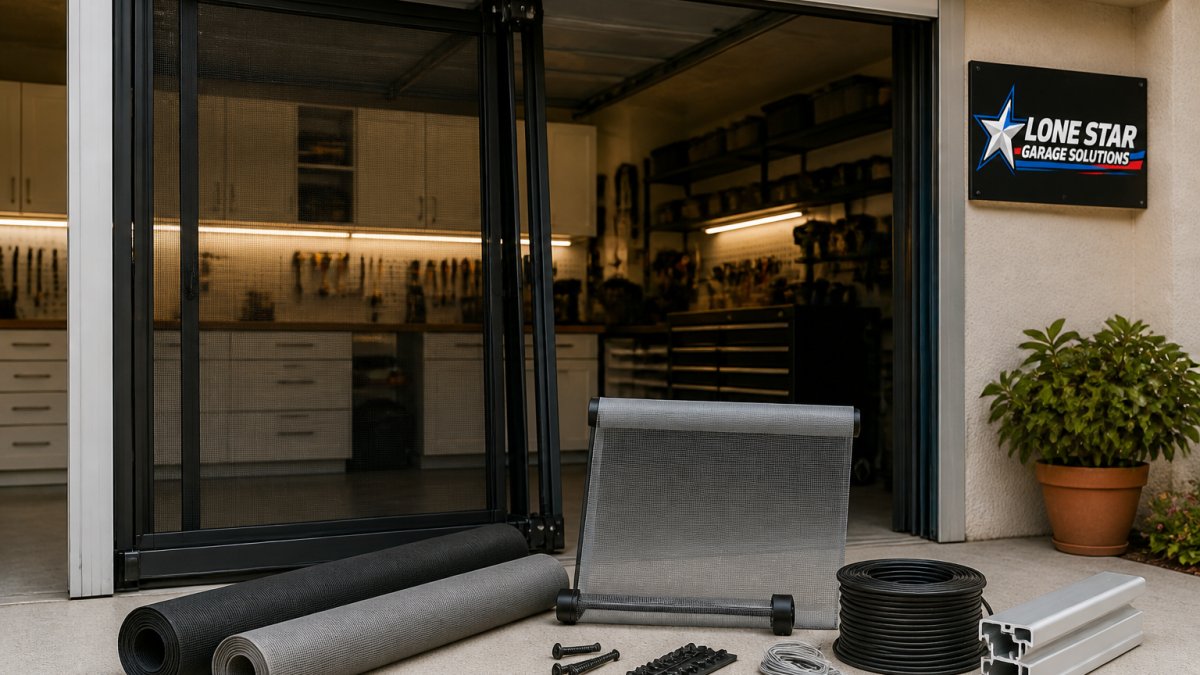
A magnetic screen curtain is a lightweight mesh hung from magnets that snap together as you pass through. A retractable garage screen system is a framed structure that rolls up into a housing when not in use. The difference matters more than you'd think.
Magnetic curtains work well for occasional use during peak bug season. They're simple to install, affordable, and require no modification to your garage.
Retractable systems seal tighter: the frame creates a complete barrier and the mesh is heavier-duty. Installation requires professional fitting to your specific opening, so dimensions must be exact. Once installed, a quality retractable screen handles years of daily use, and the built-in passage door lets you move freely without retracting the whole screen.
For year-round use as a workshop, storage space, or outdoor living area, a retractable system pays for itself in pest protection and durability. For seasonal use or renters who can't modify the space, magnetic curtains are a practical temporary solution.
Lifestyle Retractable Garage Door Screens: Premium Protection
Lifestyle screens are the standard for homeowners who want a permanent solution without compromising on quality. The system operates independently of your main garage door, so you can open and close each separately depending on whether you need ventilation or vehicle access.
The frame integrates with your existing garage door track system, so structural changes are minimal. The mesh is heavy-duty fiberglass with a tight weave built for insect exclusion, and the built-in passage door means you don't have to retract the screen just to step outside.
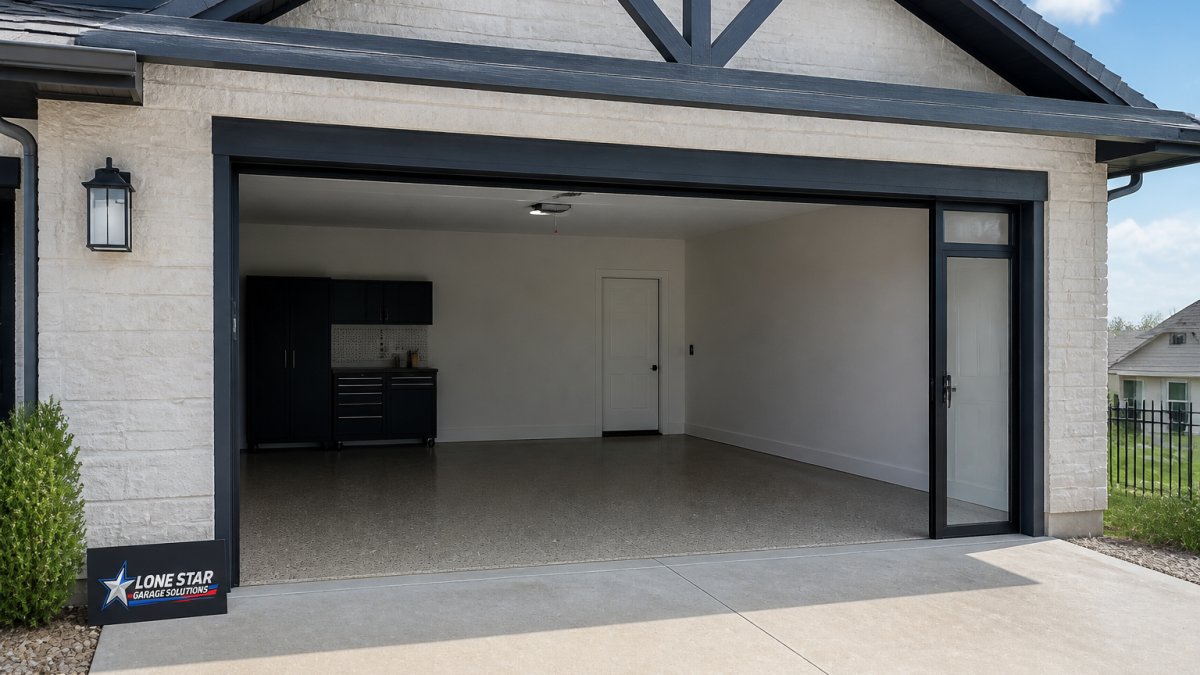
What sets Lifestyle apart is the engineering. The frame handles the weight of the mesh without sagging, and the weave density blocks even small insects like gnats and mosquitoes. Materials don't warp or degrade in Texas heat, humidity, or direct sun.
Pros:
- Durable heavy-duty mesh blocks flying insects effectively
- Passage door provides convenient entry without full retraction
- Seamless integration with standard garage door tracks
- Spring-loaded operation is smooth and maintenance-light
Cons:
- Requires professional installation
- Not ideal for non-standard or damaged garage openings
Garage Screen Mesh for Insects: Material and Weave Explained
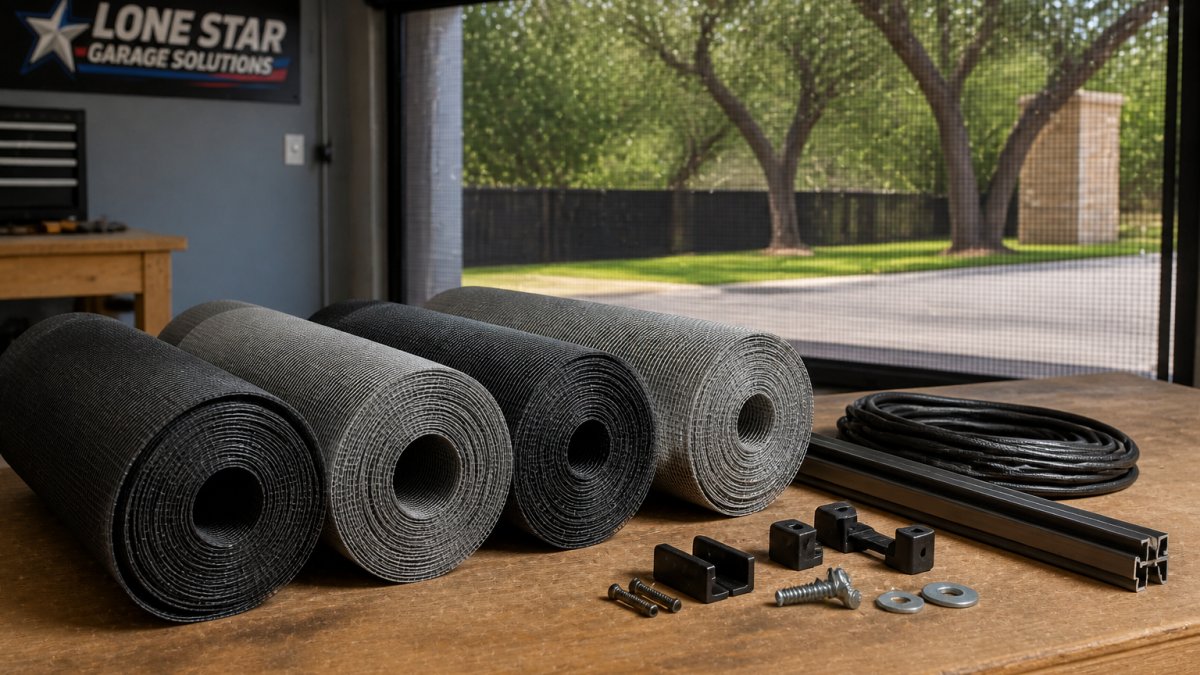
Not all mesh is created equal. The difference between a screen that stops mosquitoes and one that lets gnats through comes down to two numbers: the size of each opening in the weave and how tightly the perimeter is sealed.
How mesh is measured. Mesh is rated in "mesh count," the number of threads per inch in each direction. An 18x16 mesh is the standard insect screen sold at hardware stores.
Match the weave to the pest. Rather than treating every insect as the same problem, think about what is actually getting into your garage:
| Pest | Typical opening it can pass | Mesh that blocks it |
|---|---|---|
| Mosquitoes | Roughly 1/16 inch | Standard 18x16 insect mesh |
| House flies | Roughly 1/8 inch | Standard 18x16 insect mesh |
| Gnats and no-see-ums | Smaller than 1/16 inch | Tighter 18x14 or 20x20 weave |
| Stink bugs and beetles | Larger than 1/8 inch | Any intact mesh; the weak point is the perimeter seal |
A standard 18x16 weave handles mosquitoes and flies. If gnats or no-see-ums are your main complaint, a tighter weave is the only mesh that keeps them out.
Material choices. Fiberglass mesh is the standard for garage screens: lightweight, flexible, rust-free, and durable against normal brushing and weather. Stainless steel mesh resists tearing better but is heavier and more expensive.
The perimeter is the real weak point. A perfect mesh in a loose frame still lets insects in, because bugs don't need a hole in the middle, just any gap at the sides, top, or bottom.
If you're not sure which weave your garage needs, bring that question to a local installer who can look at your opening and your pest problem together. Lone Star Garage Solutions can walk you through the options for your specific garage.
How to Measure for a Garage Door Screen
Measuring correctly is the difference between a screen that fits and one that leaves gaps. Take your time here.
Measure the width: Measure across the inside of the opening at the top, middle, and bottom, and write down all three. Openings aren't always square, and this tells your installer if there's any taper.
Measure the height: Measure from the floor to the top of the opening at the left, center, and right, and note all three. If the opening is taller on one side, your installer needs to know.
Check for obstacles: Note any trim, weatherstripping, outlets, switches, or garage door hardware that might interfere with the screen frame.
Take photos: Send clear photos of the garage opening to your installer, showing the full opening and any details that might affect fit.
Most professional installers measure in person before ordering a custom screen. If you're ordering a standard size, verify the dimensions match your opening before purchase.
| Measurement | Where to Take It | Why It Matters |
|---|---|---|
| Width | Top, middle, bottom of opening | Detects uneven or tapered openings |
| Height | Left, center, right of opening | Ensures proper vertical fit |
| Depth | From frame to garage interior | Confirms clearance for frame housing |
| Obstacles | Around entire opening perimeter | Prevents installation conflicts |
Installation, Maintenance, and Long-Term Performance
How a screen holds up depends less on the brand than on the system type, how it's installed, and how it's used. This is where magnetic curtains and framed retractable systems diverge sharply.
Installation. Magnetic curtains are do-it-yourself: hang the panel from the top of the opening and the magnets close behind you. No framing, no modification. Framed retractable systems are a different job.
Can the screen stay up while the main door operates? It depends on the system. Lifestyle-style retractable screens operate independently of the main garage door, so the screen stays installed while the overhead door opens and closes, and you can use it with the main door up for ventilation or down for security.
Wind and weather. Magnetic curtains are most vulnerable: a strong gust can pull the magnets apart or tear the lighter mesh, so treat them as seasonal.
Maintenance by system type.
| Task | Magnetic curtain | Framed retractable system |
|---|---|---|
| Routine cleaning | Vacuum or brush the mesh | Vacuum or brush the mesh |
| Mesh repair | Usually replace the whole panel | Often replace just the mesh panel |
| Hardware | Magnets weaken over time | Check frame joints and rollers annually |
| Seasonal care | Remove and store in peak off-season | Retract when not in use |
| Typical service life | A few seasons with regular use | Many years with minimal attention |
For retractable systems, maintenance is light: vacuum or brush the mesh occasionally to clear dust and pollen, and check frame joints once a year, especially in high heat where materials expand and contract. If the mesh tears, many systems let you replace just the panel rather than the whole frame.
Long-term performance. A framed retractable system outlasts a magnetic curtain by a wide margin under regular use. The trade-off is real: retractable systems cost more and need professional installation, while magnetic curtains are inexpensive, removable, and renter-friendly.
If you're weighing a permanent system against a seasonal one, or you're not sure whether your garage opening can take a framed screen, that's exactly the kind of question a local installer can answer in person. Lone Star Garage Solutions can assess your opening and recommend the right setup for how you use your garage.
Choosing the Right Garage Screen for Your Home
Start by asking what you need the screen to do. If you open your garage door daily for vehicle access and want pest protection, a retractable system with a passage door is the right choice. If you use the garage as a workshop or outdoor living space in summer, a durable retractable screen makes the space genuinely usable.
Budget matters, but think long-term. A magnetic curtain costs less upfront but needs replacing every couple of years. A retractable system costs more initially but lasts a decade with minimal maintenance, so cost per year of use often favors the higher-quality option.
Consider your garage opening. Non-standard sizes, damaged tracks, or unusual configurations require custom solutions. Standard openings work with off-the-shelf retractable systems or magnetic curtains. Your installer can assess what your specific garage can accommodate.
Pest pressure varies by location and season. In areas with heavy mosquito or gnat activity, invest in a tighter mesh weave and excellent perimeter sealing. If insects are only occasional nuisances, a simpler system works fine.
Frequently Asked Questions
What type of mesh is best for a garage screen to keep insects out?
Fiberglass mesh with a tight weave (typically 18x16 or finer) blocks most flying insects like mosquitoes, flies, and gnats. For maximum protection against smaller pests, stainless steel mesh offers superior durability and finer apertures. The key is choosing a weave tight enough to exclude your local insects while still allowing adequate airflow. Consult with Lone Star Garage Solutions about which mesh density suits your pest concerns and climate.
Can you use a garage screen while the garage door is open?
Yes, retractable garage screen systems are designed to operate independently of your main garage door. You can open your garage door fully while the screen remains closed, allowing vehicles to pass through while blocking insects and debris. This flexibility makes screens ideal for maintaining ventilation and pest control even during active garage use. Magnetic curtain systems work similarly, though they require manual opening for vehicle passage.
How do you measure a garage door for a screen installation?
Measure the width and height of your garage opening at three points each (top, middle, and bottom) to account for any irregularities in older garages. Record the smallest measurements for width and height, as screens must fit snugly to prevent gaps where insects can enter. Also note the depth of your garage frame and any obstructions like weather stripping or hardware. Professional installers like Lone Star Garage Solutions verify all measurements on-site to ensure a proper fit and effective pest barrier.
Are motorized garage screens better than magnetic curtains?
Motorized retractable screens offer durability, tighter seals, and hands-free operation, making them ideal for frequent use and long-term pest control. Magnetic curtains are budget-friendly and simple to install but require manual operation. Motorized systems integrate seamlessly with your garage and provide professional-grade performance, while magnetic options work well for temporary or occasional use. Your choice depends on your budget, frequency of use, and desired level of pest protection.
What is the best garage screen system for keeping bugs out in Texas heat?
In Texas's hot, humid climate, a retractable screen system with fiberglass or stainless steel mesh provides reliable pest exclusion while allowing natural ventilation to reduce cooling costs. Look for systems with powder-coated frames that resist rust and corrosion in moisture-heavy conditions. Tight-sealing designs that minimize side gaps are essential to prevent mosquitoes and other insects from entering. Lone Star Garage Solutions specializes in screens tailored for Texas weather and can recommend the best fit for your specific garage and pest control needs.
When you're ready to move forward, Lone Star Garage Solutions can assess your garage opening, discuss which system fits your needs and budget, and handle professional installation. We're authorized installers of Lifestyle retractable garage screens and work with homeowners across the Hill Country to create screened-in spaces that actually work in Texas heat and humidity. Contact us for a quote and let's transform your garage into a space you'll actually want to spend time in.