 comparison
Lone Star Garage Doors: Local Repair & Installation
Table of Contents
- What Lone Star Garage Doors Offers
- Garage Door Replacement: When and Why
- Garage Door Opener Installation: Getting It Right
- Understanding Garage Door Lifespan and Maintenance
- Garage Door Replacement Insurance Coverage Explained
- Why Choose a Locally Owned Provider
- How to Get Started with Your Project
- Frequently Asked Questions
Last Updated: October 20, 2026
What Lone Star Garage Doors Offers
When your garage door fails, you don't just lose convenience, you lose security and daily functionality. That's where Lone Star Garage Solutions comes in. We're a locally owned garage door company serving New Braunfels and the surrounding Hill Country region, specializing in garage door repair, installation, and replacement for homeowners, builders, and property managers who need work done right the first time.
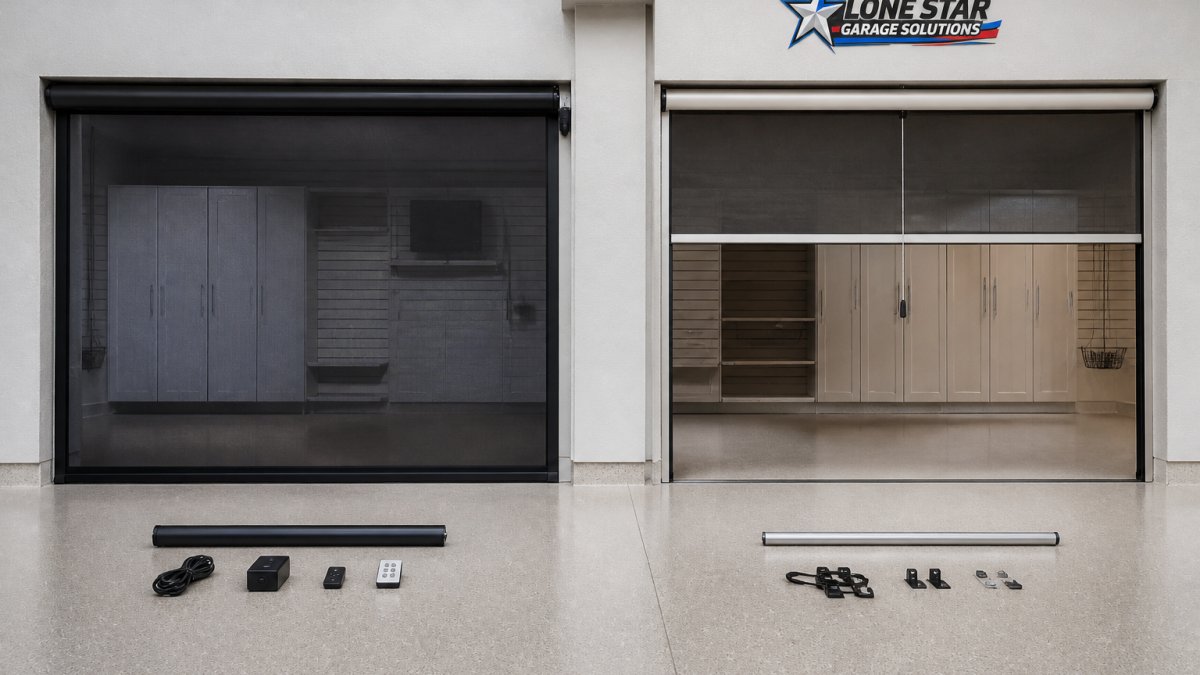
Our expertise spans residential garage door systems, from emergency spring and cable repairs to complete door replacements and opener installations. We also install Lifestyle retractable garage screens and Templar motorized patio screens, transforming your garage and outdoor spaces into functional, weather-protected areas. What sets us apart isn't just what we do, it's how we approach it. We listen to your actual problem, explain your options clearly, and recommend solutions tailored to your home and budget, not to maximize our invoice.
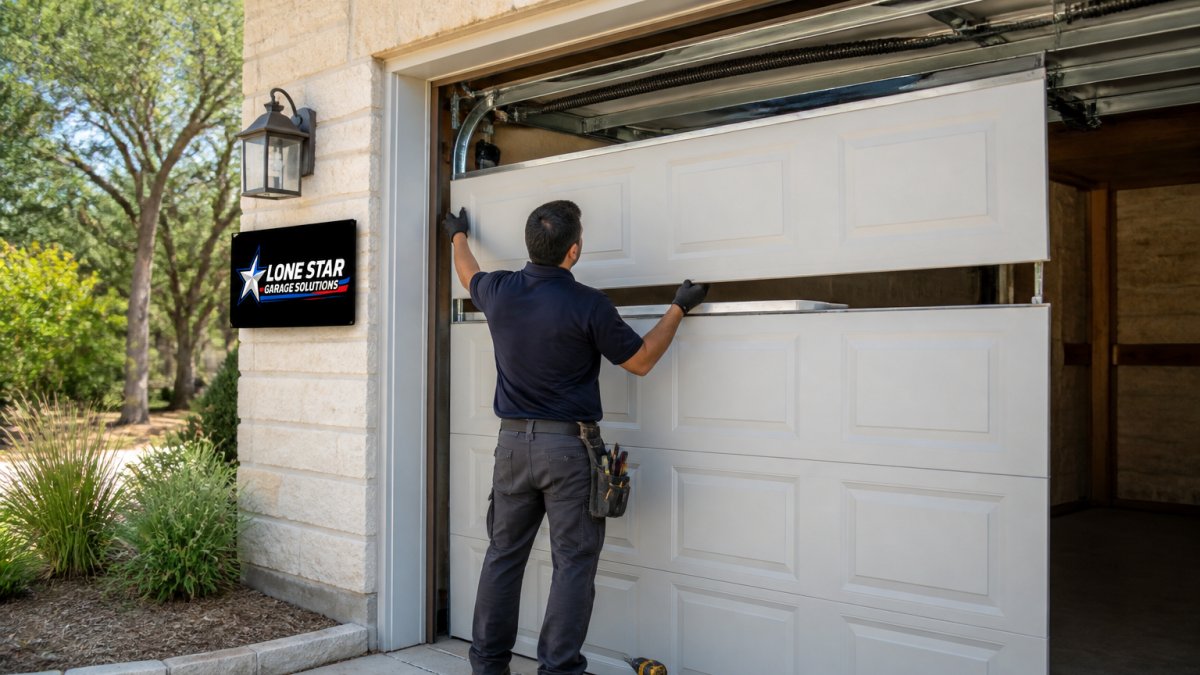
Many homeowners ask what makes one garage door service different from another. The answer is simple: experience, transparency, and local accountability. We understand Texas weather, the heat cycles that stress door springs, the humidity that corrodes cables, the dust that clogs openers. Our team knows these challenges because we live here and service homes here year-round.
Garage Door Replacement: When and Why
Your garage door doesn't fail all at once. It shows signs. A door that moves slower than it used to, springs that sound different under load, or panels that don't align properly are all signals that replacement might be closer than you think.
Garage door replacement becomes necessary when repair costs approach 50% of a new door's price, or when your current system has reached the end of its lifespan. Most residential garage doors last 15 to 20 years before major components wear out. If your door is in that range and you're facing repeated repairs, replacement is often the smarter investment.
The choice between repair and replacement depends on several factors: the age of your door, the cost of the repair relative to a new installation, and whether you want to upgrade your system. An older door with a single failed spring might be worth repairing. A 20-year-old door with multiple failing components is a candidate for replacement. At Lone Star Garage Solutions, we'll walk you through both options and help you decide what makes sense for your home.
Insulated doors are worth considering if you use your garage as a workspace or if you live in an area with extreme temperature swings. They reduce noise, improve energy efficiency, and hold their temperature better than single-layer doors. Uninsulated doors cost less upfront but offer no thermal or acoustic benefits. Your choice depends on how you use your garage and your budget.
Garage Door Opener Installation: Getting It Right
Your garage door opener is the workhorse of your system. It opens and closes your door thousands of times, and when it fails, your entire door becomes difficult or impossible to operate manually. A quality opener installation matters because a poorly installed opener can damage your door, fail prematurely, or create safety hazards.
Modern openers come in three main types: chain-drive, belt-drive, and screw-drive. Chain-drive openers are the most affordable and durable but tend to be louder. Belt-drive openers run quietly and smoothly, making them popular for homes with living spaces above or beside the garage. Screw-drive openers are a middle ground, reliable and quieter than chain-drive but less common than the other two.
Installation isn't a DIY project. Proper installation requires correctly mounting the opener to your door frame, setting tension on the door springs (which is dangerous if you don't know what you're doing), programming safety sensors, and testing the door under load.
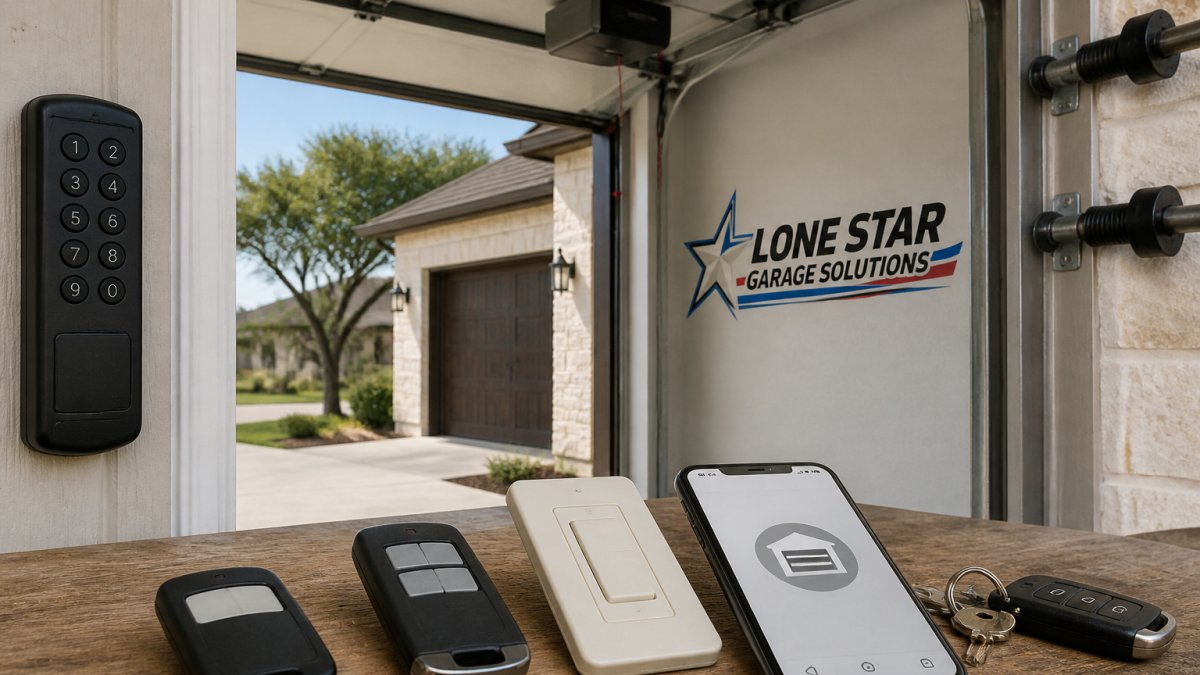
When you contact Lone Star Garage Solutions for an opener installation, we handle the entire process: assessing your current door and frame, recommending an opener that matches your door's weight and your usage patterns, installing it correctly, and testing it thoroughly. We also explain how to use the remote, set up smartphone access if your opener supports it, and show you how to perform basic maintenance.
Understanding Garage Door Lifespan and Maintenance
A garage door system is made of several components, each with its own lifespan. Understanding how long each part typically lasts helps you plan for maintenance and know when replacement is coming.
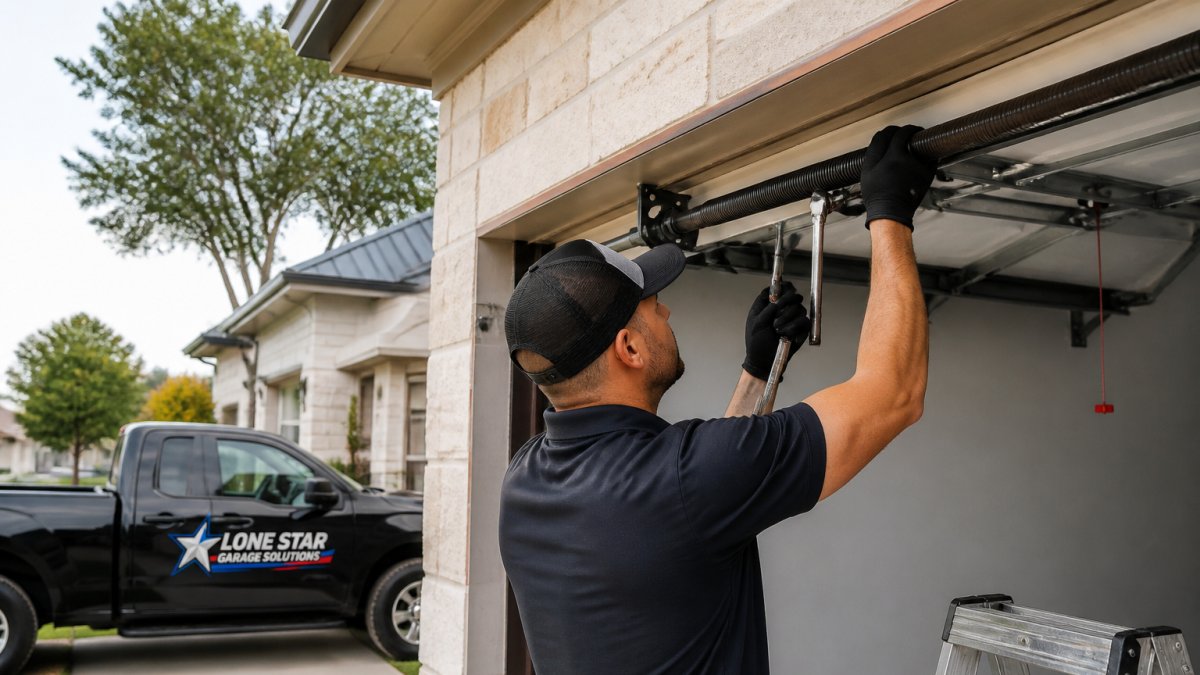
Garage door springs typically last 7 to 12 years, depending on how often you use your door and the quality of the spring. A residential door that opens and closes 3 to 5 times daily will wear springs faster than one used less frequently.
Cables support the weight of the door as it moves. They typically last as long as the springs, 7 to 12 years. When a spring breaks, the cable often fails shortly after because the door's weight isn't being distributed evenly. This is why we recommend replacing both springs and cables together.
Garage door openers usually last 10 to 15 years. Frequent use, power surges, and extreme temperatures can shorten this lifespan. If your opener is over 10 years old and starting to struggle, replacement is often more cost-effective than repair.
Weatherstripping and seals deteriorate faster in Texas heat and humidity. Check them annually and replace them every 3 to 5 years to keep your garage protected from dust, insects, and weather.
Maintenance tips that extend your door's life include keeping tracks clean and aligned, lubricating hinges and springs annually with a silicone-based lubricant, and testing your door's balance and safety sensors monthly.
Garage Door Replacement Insurance Coverage Explained
One question homeowners often ask is whether homeowners insurance covers garage door damage or replacement. The answer depends on your policy and the cause of the damage.
Covered scenarios typically include damage from severe weather (hail, high winds, falling tree branches), vandalism, or accidents. If a storm damages your door, your homeowners insurance may cover the replacement, subject to your deductible. If a tree falls on your garage, that's usually covered. If a car backs into your door, that's typically covered under collision if you have comprehensive coverage.
Not covered are normal wear and tear, rust, or damage from lack of maintenance. If your springs fail simply because they've reached the end of their lifespan, insurance won't pay. If your door is damaged because you ignored years of rust and corrosion, that's on you.
What to do if you think you have a claim: Document the damage with photos, contact your insurance company to report it, and get a repair estimate from a qualified professional. Your insurer will likely send an adjuster to assess the damage before approving the claim. Be prepared to provide details about when the damage occurred and what caused it.
Many homeowners don't realize their policy covers garage doors until something happens. If you're unsure about your coverage, call your insurance agent and ask specifically about garage door damage. It's a quick conversation that could save you thousands.
| Damage Type | Typically Covered? | Notes |
|---|---|---|
| Storm damage (hail, wind, falling branches) | Yes | Subject to deductible |
| Vandalism | Yes | Subject to deductible |
| Accident (car impact, etc.) | Yes | Usually covered under comprehensive |
| Normal wear and tear | No | Springs, cables, openers failing from age |
| Rust and corrosion | No | Preventable through maintenance |
| Lack of maintenance | No | Your responsibility |
Why Choose a Locally Owned Provider
When you call a national chain for garage door service, you're likely talking to a call center that routes your request to a contractor in your area. You don't know who's showing up, what their training is, or whether they'll be around next year if something goes wrong. With a locally owned company like Lone Star Garage Solutions, you're dealing directly with the people who do the work.
Local accountability matters. We live in this community. Our reputation depends on treating every customer fairly, doing quality work, and standing behind it. If something goes wrong, you can reach us directly. We're not hiding behind a corporate phone tree.
We also understand your local climate. Texas heat, humidity, and occasional ice storms create specific challenges for garage doors. Our experience working in this region means we know which materials hold up best, how to install doors so they function smoothly in our weather, and what maintenance your system needs to last. We've also worked with local builders, contractors, and property managers long enough to understand what they need and how to deliver it on schedule.
Cost is often a concern, and it's fair to ask why you should pay more for a local company. The answer isn't that we're always cheaper, we're not. But we're transparent about pricing, we don't upsell unnecessary services, and we stand behind our work with service and warranty support you can actually access. When you need something fixed, you call us directly. We show up. We fix it. We don't disappear.
How to Get Started with Your Project
Starting a garage door repair or replacement project is straightforward. Contact Lone Star Garage Solutions for a free estimate. We'll ask you about your current door, what problems you're experiencing, and what you're hoping to accomplish. If it's a repair, we'll discuss whether fixing the current system makes sense or if replacement is a better long-term choice.
From there, we'll provide a clear estimate with no hidden fees. We'll explain what's included, what the timeline looks like, and what to expect on installation day. Once you approve the estimate, we'll schedule your service at a time that works for you.
For garage door repairs, we aim to schedule service quickly because a broken door affects your daily routine and your home's security. For replacements and new installations, we'll work with you to find a convenient time and complete the job efficiently, usually within a single day.
If you're exploring Lifestyle retractable garage screens or Templar motorized patio screens, the process is similar. We'll assess your space, discuss your goals, whether you want bug-free outdoor living, weather protection, or both, and show you options that fit your home and budget.
A functioning garage door system is something most homeowners take for granted until it stops working. When that happens, you need someone who understands the problem, explains your options clearly, and delivers reliable service. That's what Lone Star Garage Solutions does.
Frequently Asked Questions
What is the average lifespan of a garage door?
A well-maintained garage door typically lasts 15 to 20 years, though this varies based on climate, usage, and maintenance. Texas heat and humidity can accelerate wear on springs, cables, and seals. Regular maintenance, like lubricating moving parts and inspecting springs, extends your garage door lifespan significantly. If your door is approaching 15 years or showing signs of rust, sagging, or frequent repairs, replacement may be more cost-effective than ongoing fixes.
Does homeowners insurance cover garage door replacement?
Most homeowners insurance policies do not cover routine garage door replacement or wear-and-tear damage. However, if your door is damaged by a covered event, such as a storm, hail, or collision, your policy may cover part or all of the replacement cost. Check your policy's coverage details and contact your insurer before scheduling work. Some policies include deductibles that apply to garage door claims, so understanding your coverage limits helps you plan your budget.
When should I repair my garage door instead of replacing it?
Repair makes sense for isolated problems like broken springs, damaged cables, or malfunctioning openers on a door that is structurally sound and less than 15 years old. If your door has multiple issues, is heavily rusted, or repairs are becoming frequent and expensive, replacement is often the better choice. A local expert can assess your specific door and recommend whether a repair or replacement serves you best.
What should I ask a garage door company before scheduling installation?
Ask about the door's construction type (insulated vs. uninsulated), warranty coverage on both the door and opener, installation timeline, and whether they handle any permits or inspections. Clarify what's included in the quote, door, opener, hardware, and labor, and ask about their experience with your home's age and style. Request references from recent local projects and confirm they're licensed and insured. A straightforward company will answer these questions clearly without pressure.