
 how-to
Fix Garage Door Opener Motor Heat: Step-by-Step Guide
Table of Contents
- Why Your Garage Door Opener Motor Overheats
- Signs of a Failing Garage Door Motor
- Immediate Steps to Cool Down the Motor
- Understanding Garage Door Opener Thermal Overload Protection
- Garage Door Maintenance Tips to Prevent Overheating
- Troubleshooting Motor Heat Issues: A Diagnostic Approach
- When to Call a Professional
- Frequently Asked Questions
Last Updated: September 28, 2026
Why Your Garage Door Opener Motor Overheats
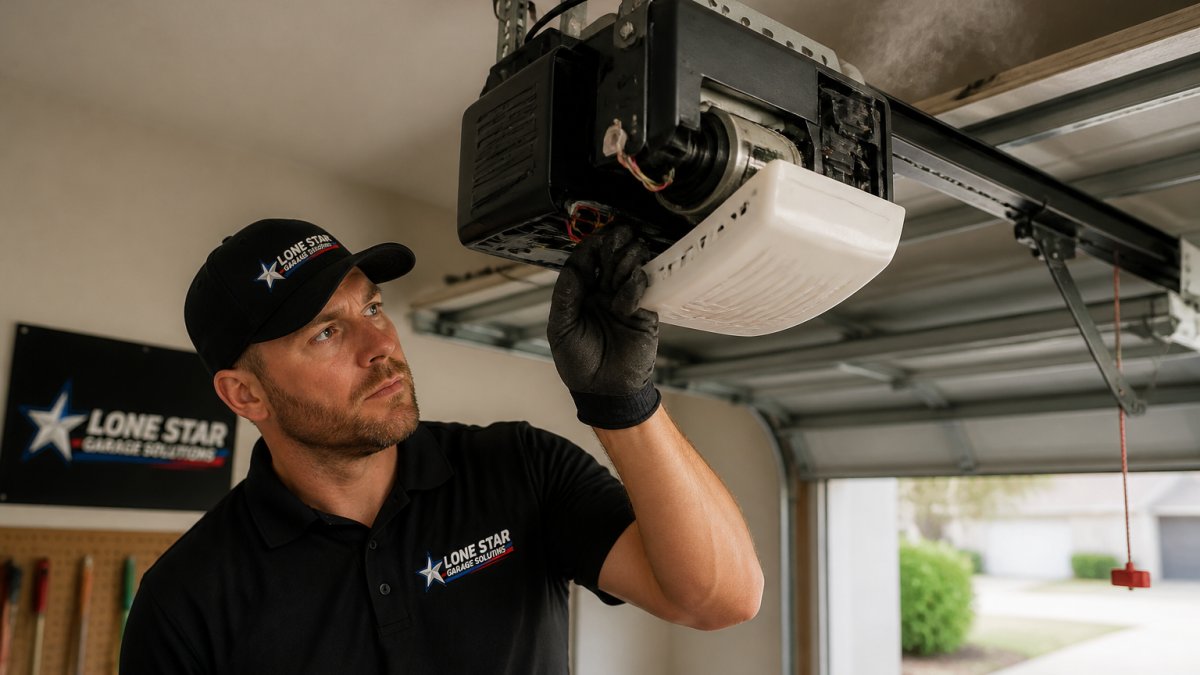
A garage door opener motor works hard every day, lifting and lowering a heavy door dozens of times, and the resulting garage door opener motor heat can become a serious problem. Over time, this work creates heat. Understanding why your garage door opener motor heat becomes a problem is the first step to fixing it.
Your motor sits in an enclosed space that traps heat. Add friction from mechanical parts, and temperatures climb fast. The motor has built-in protection to shut down when it gets too hot, a safety feature, not a failure.
How friction and mechanical wear create heat
Friction is the enemy of any moving system. Inside your garage door opener, metal parts slide and rotate against each other, creating friction and heat.
Over time, parts wear down: the drive gear shrinks, the carriage assembly develops play, and springs lose tension. All of this increases friction and heat buildup.
A motor that's five years old generates more heat than a new one as insulation degrades and bearings wear out. This mechanical wear accelerates heat problems significantly.
Lack of lubrication makes everything worse. Dry parts create more friction, forcing the motor to work harder and generate more heat in a self-feeding cycle.
Door balance and spring tension issues
A balanced door weighs almost nothing when you lift it by hand. An unbalanced door feels heavy and forces the motor to work much harder, generating more heat.
Broken or weakened springs throw the system out of balance, forcing the motor to run longer and stronger, creating excessive strain.
Check your springs. If one is broken, the other side carries double the load. The motor cycles repeatedly trying to lift an unbalanced door, building dangerous temperatures.
A door that sticks partway up or down forces the motor to struggle against binding, creating intense friction and rapid heat buildup, one of the fastest ways to overheat a motor.
Signs of a Failing Garage Door Motor
Listen for unusual sounds. Grinding, squealing, or a loud hum means the motor is working too hard and heat usually follows.
Watch the door's movement. A slow door or one that hesitates or jerks indicates the motor is straining and fighting against resistance.
Feel the motor housing. Turn off power first, then carefully touch the metal casing. A hot motor is in danger.
Check for thermal shutdown. If your opener stops mid-cycle, waits 15 minutes, then works for a few cycles before stopping again, thermal overload protection is doing its job.
Smell for burning. A burning smell near the opener means motor insulation is degrading from heat and you need professional help soon.
Notice reduced power. If the door moves slower even on the first cycle of the day, the motor is losing strength from age and repeated overheating.
Immediate Steps to Cool Down the Motor
First, stop using the opener immediately. Let the motor cool completely, usually 15 to 30 minutes. Opening the door manually during this time is fine.
Improve air circulation around the motor. Open the garage door if weather permits and remove clutter near the opener. Blocked airflow keeps heat trapped.
Check for direct sunlight on the motor. If your garage faces west or south, afternoon sun adds external heat. Block it with a shade or light-colored cloth.
Inspect the garage temperature. A garage above 100°F makes motor cooling harder. Improve ventilation by opening windows or running a fan.
Do not run the door again until the motor cools. Wait at least 30 minutes, then test with a single cycle. If the motor shuts down again immediately, call a professional.
Check the power supply. Use a multimeter to test voltage at the outlet. Standard outlets should read 120 volts. If you read 110 volts or lower, contact an electrician.
Understanding Garage Door Opener Thermal Overload Protection
Your opener has a built-in safety system. This system protects your motor from burning out. Understanding how it works helps you respect it.
How thermal protection sensors work
A thermal protection sensor sits inside the motor housing. When the motor reaches a set temperature threshold, the sensor triggers a switch that cuts power to the motor.
Most openers shut down around 140°F to 160°F, hot enough to prevent permanent damage.
The sensor resets automatically as the motor cools, allowing you to try again.
Some openers have a manual reset button for testing, but use it carefully, the motor might still be hot.
Resetting your opener after thermal shutdown
Wait at least 15 to 30 minutes. Restarting too quickly can damage the thermal sensor itself.
Check what caused the shutdown. Did you open and close the door many times in a row? Did the door stick partway? Is the weather unusually hot? Identify the cause. This tells you whether the problem is temporary or chronic.
Make one test cycle. After cooling, open the door once. Watch for smooth operation. Listen for unusual sounds. Feel the motor housing after it finishes. If the motor is still very warm, wait longer before using it again.
If it shuts down again immediately, stop. This means the motor has a serious problem. Repeated thermal shutdowns indicate mechanical wear, poor lubrication, or door balance issues. Contact a professional before the motor burns out completely.
Never run the door continuously to "break through" a heat problem. This will destroy the motor. The thermal protection is there for a reason. Respect it.
Garage Door Maintenance Tips to Prevent Overheating
Prevention is far easier than repair. A well-maintained opener rarely overheats.
Lubrication and regular inspection
Lubrication is your best defense against overheating.
Use the right lubricant. Spray white lithium grease on the drive chain or belt. Apply it every six months. Do not use WD-40. It's a cleaner, not a lubricant. Do not use heavy motor oil. It attracts dust and gums up the system.
Lubricate the entire drive system. The chain or belt needs lubrication. So do the rollers, hinges, and springs. A fully lubricated door moves smoothly. Smooth movement means less friction. Less friction means less heat.
Inspect the springs and cables monthly. Look for rust, fraying, or visible damage. Springs should be symmetrical. If one side looks different, a spring is failing. Broken springs force the motor to compensate.
Checking power supply and circuit board condition
Electrical issues contribute to overheating.
Test your outlet voltage. Use a multimeter set to AC voltage. Plug the meter into the garage outlet. Standard voltage is 120 volts. If you read below 110 volts, your electrical service is weak. Low voltage forces the motor to work harder. Harder work creates heat. Call an electrician to investigate.
Troubleshooting Motor Heat Issues: A Diagnostic Approach
Sometimes you need to dig deeper. These diagnostic steps help identify the root cause.
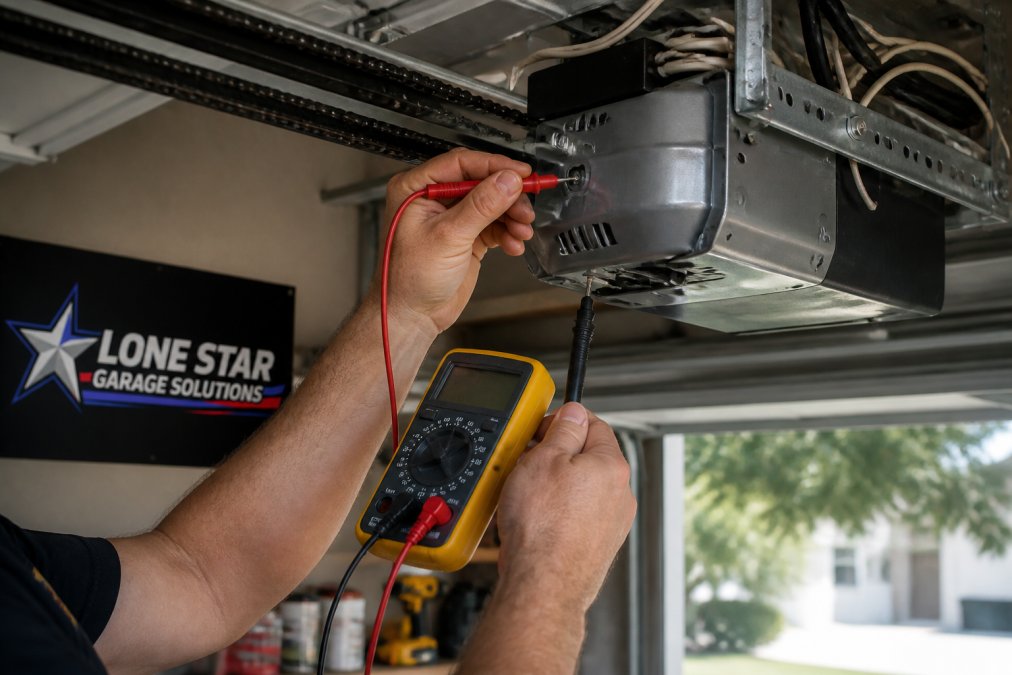
Testing voltage and amperage with a multimeter
A multimeter is a simple tool that tells you a lot about electrical problems.
Inspecting the drive gear and carriage assembly
Mechanical wear inside the opener creates friction and heat.
Look at the drive gear. This small gear transfers power from the motor to the door. Over time, teeth wear down. Worn teeth slip. Slipping creates friction and heat. If the gear teeth look rounded instead of sharp, the gear is worn out.
When to Call a Professional
Some problems are beyond DIY fixes. Knowing when to call saves you time and money.
Call a professional if:
- The motor shuts down repeatedly even after cooling and lubrication
- You hear grinding or squealing that doesn't improve with lubrication
- The door moves very slowly or struggles to open
- You smell burning near the opener
- The motor housing stays hot even after sitting idle for an hour
- Springs are visibly broken or damaged
- The door is severely unbalanced and won't stay in place
- Electrical testing shows voltage below 110 volts
- The circuit board has visible burn marks or corrosion
Frequently Asked Questions
Why does my garage door opener stop working when it's hot outside?
Heat causes the motor's internal components to expand and increases electrical resistance in the circuit board and capacitor. When ambient temperature rises, the motor works harder to move the door, especially if the door is out of balance or the springs are worn. The thermal protection sensor shuts down the opener to prevent damage once the motor housing reaches its limit. This is a safety feature, not a failure, but it signals an underlying problem with door balance, lubrication, or motor age that needs attention.
How do I know if my garage door opener motor is overheating?
Look for these signs: the opener stops mid-cycle and won't restart for 15-30 minutes, the motor housing feels hot to the touch, you smell a burning odor near the motor, the door moves slower than usual, or the opener cycles excessively without moving the door fully. These are all indicators that friction, mechanical wear, or power supply problems are causing the motor to strain. If you notice any of these, stop using the opener and have the door balance, springs, and lubrication checked before the motor sustains permanent damage.
What should I do if my garage door opener motor won't open in high temperatures?
First, turn off the opener and let the motor cool for 30 minutes, do not force it. Check that the door moves freely by hand (it should glide smoothly with minimal resistance). If it's stiff or jerky, the problem is likely door balance or lack of lubrication, not the motor itself. Apply a silicone-based lubricant to the drive chain, rollers, and hinges. Once cooled, test the opener. If it still fails in heat, the thermal protection sensor is doing its job, call a professional to diagnose whether the issue is a failing motor, power supply problem, or mechanical strain from an unbalanced door.
What's the best way to prevent garage door opener motor overheating?
Perform these maintenance tasks twice yearly: lubricate the drive chain, rollers, and hinges with a garage door-specific lubricant; inspect the door springs and cables for wear or rust; test the door balance by opening it halfway and checking that it stays level; clean the safety sensors and check the circuit board for corrosion. In high-heat environments, ensure the motor housing has adequate airflow and is not blocked by storage items. Have the door balance and spring tension checked annually, an unbalanced door forces the motor to work harder and generates excess heat faster than any other single factor.